

Built at Home. Made for the Trails.
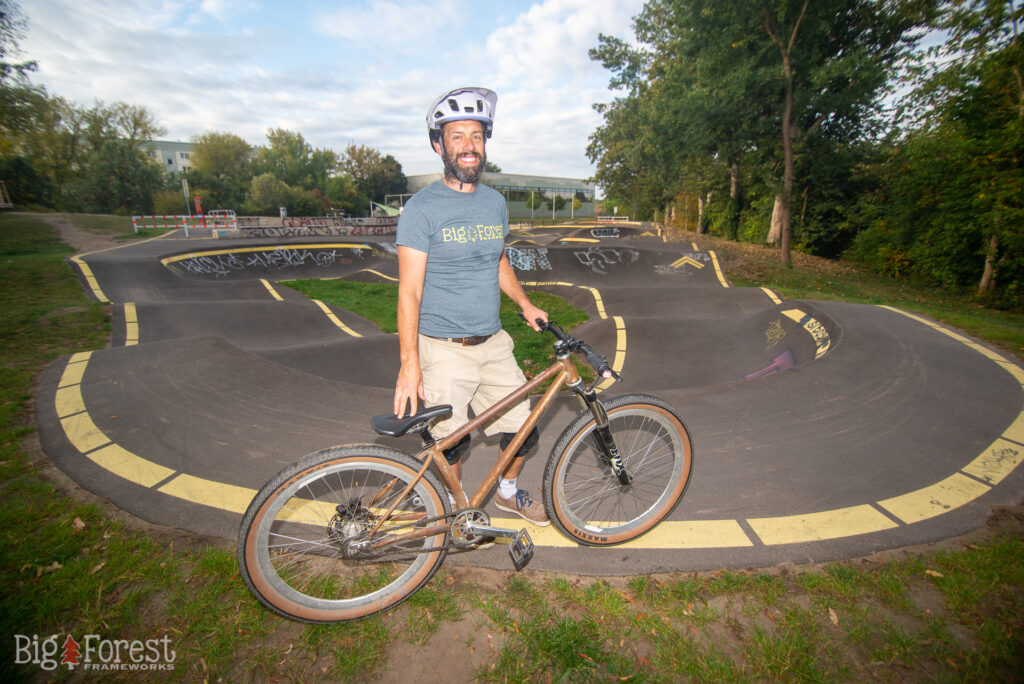
12. November 2026When Frank Dose came to my framebuilding course in 2022, he already knew his way around a workshop. He even had a CNC mill in his basement. But he’d never built a bicycle frame before. In the course, he built himself a gravel frame.
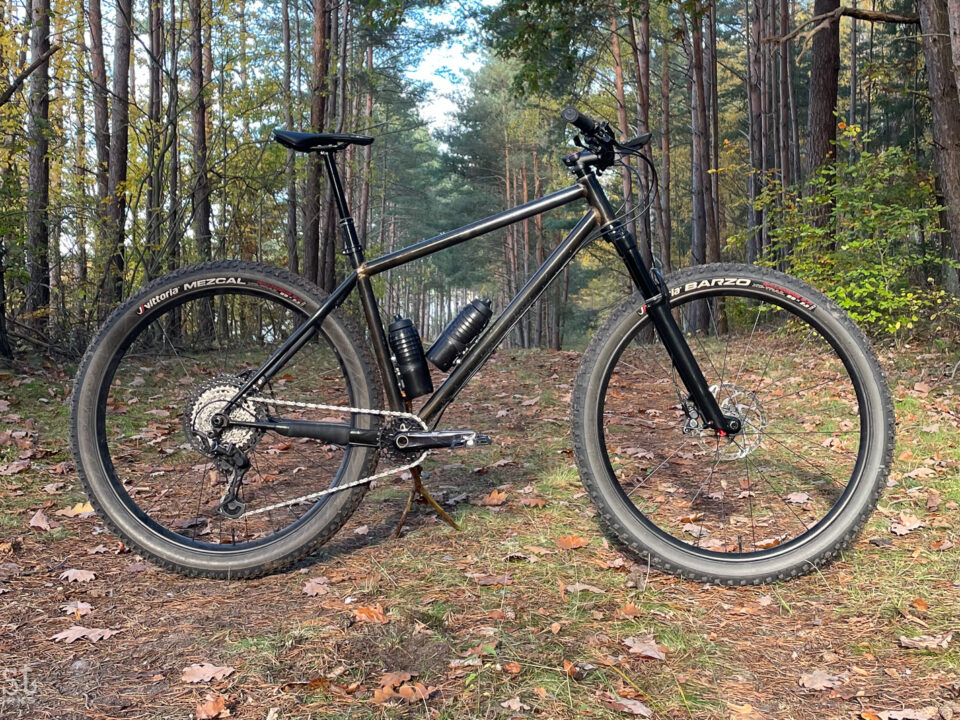
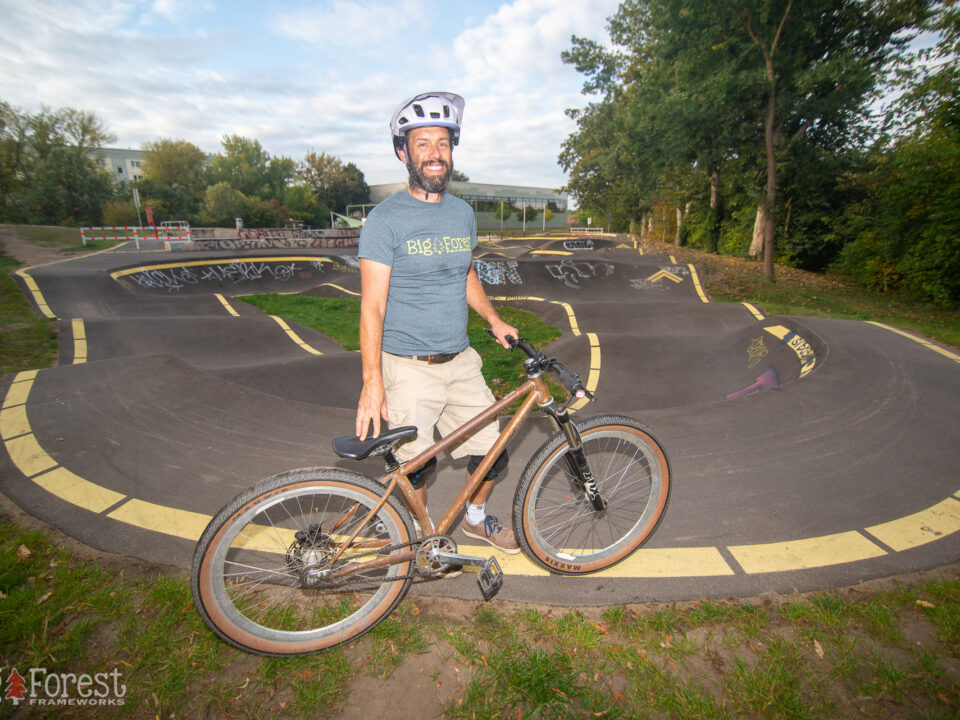
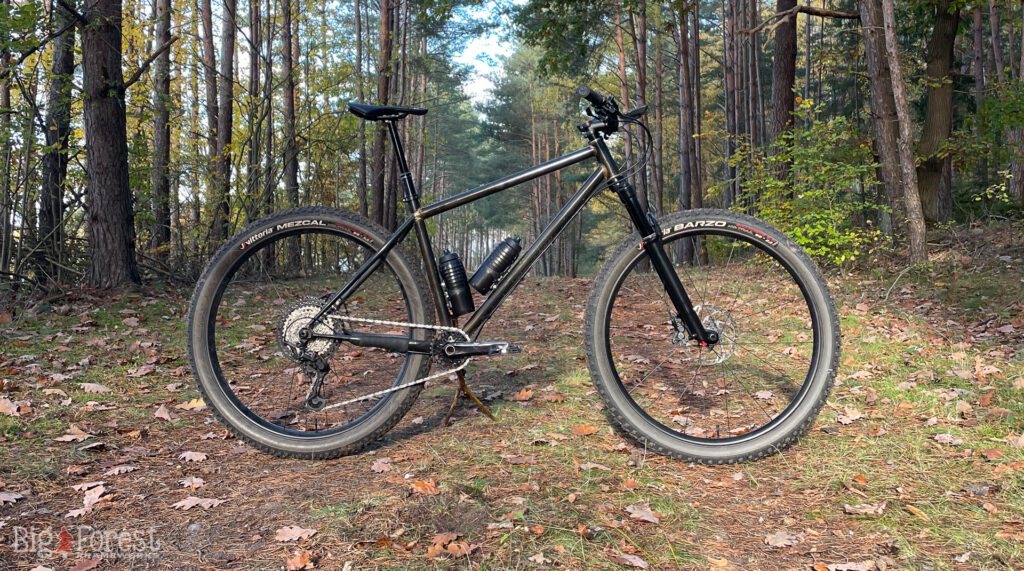
Since then, Frank has kept building in his own workshop. He made a gravel frame for his wife in 2023, then built a hardtail that he rode across the Alps on the Joe Route in 2025. For his fourth frame, he came back to gravel and brought together a lot of what he’d learned along the way.
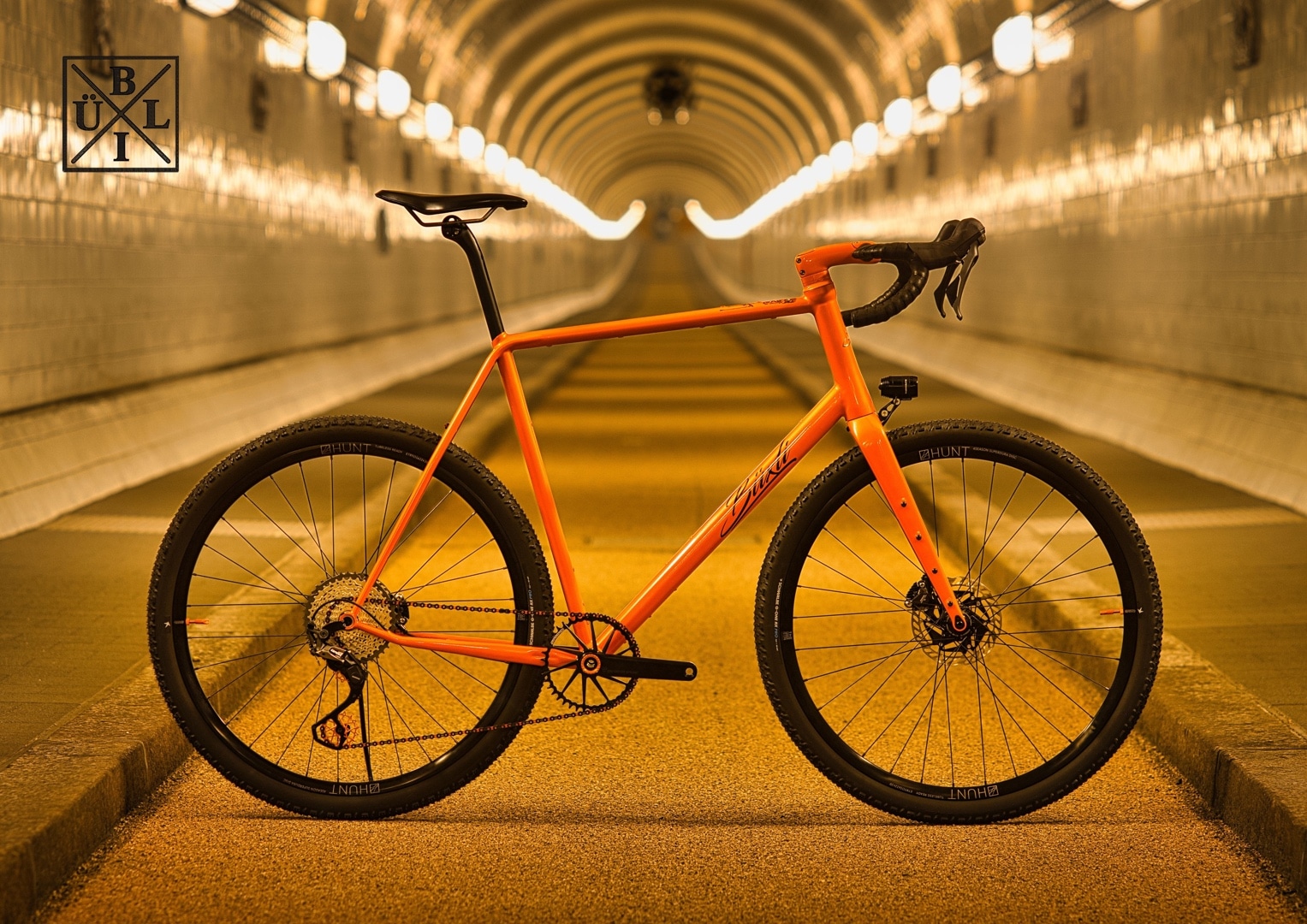
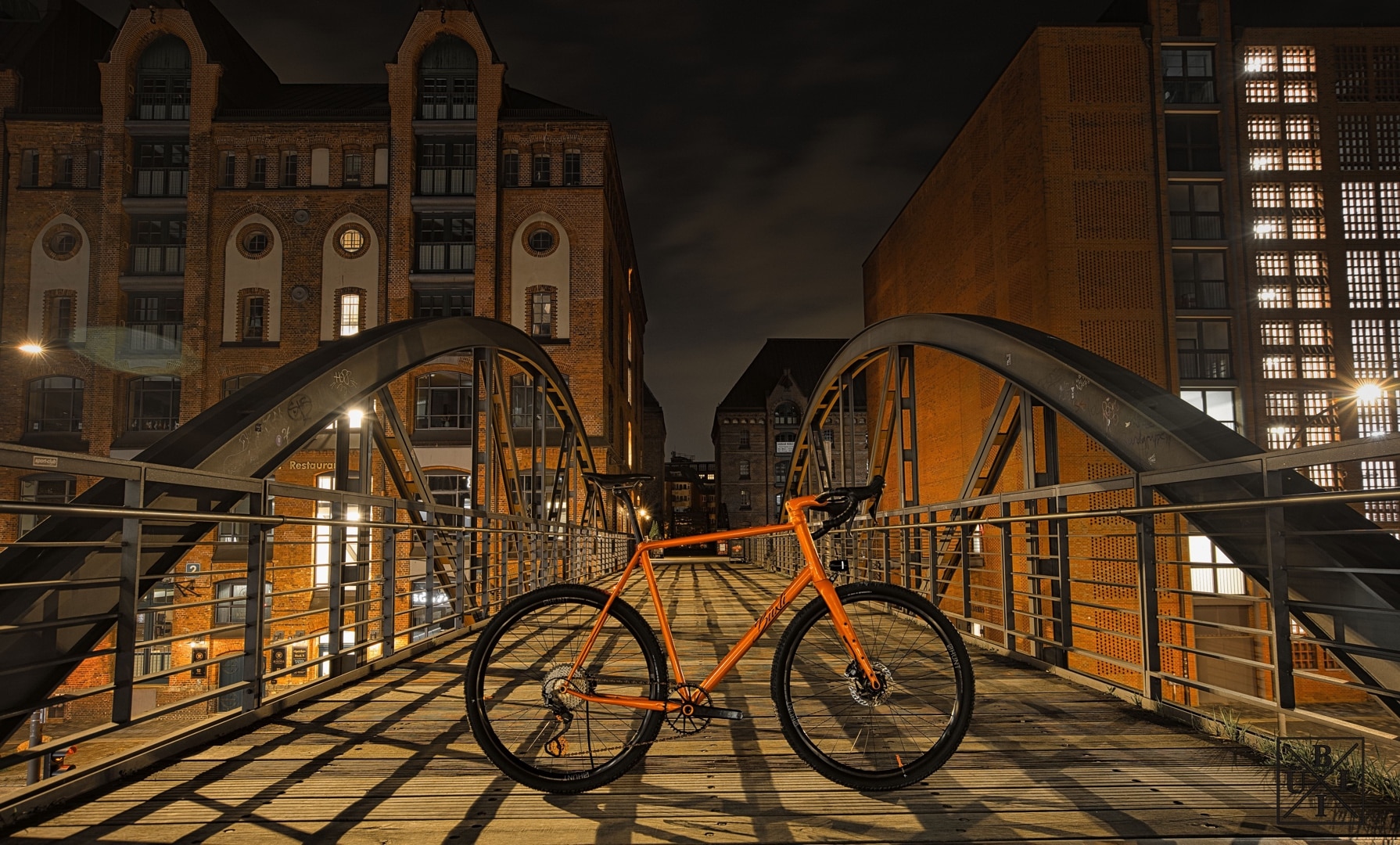
The thing I keep coming back to is that this is Frank’s fourth frame. He made his own headset bearing seat, built a prototype to work out the rear-light wiring, and even made the bag supports for the fork. It’s a beautiful bike, and the closer I look at it, the more impressed I am.
A design that developed over four builds
Frank traces some of the ideas for this bike back to BESPOKED in Dresden in 2022. The bikes from Yaad and Repete made a particular impression on him. He kept coming back to the Repete Reason R3, and later found ideas in the Colnago Steelnovo, too. He was drawn to the way the frames’ details worked together, from the shape of the tubes to the transitions between them.
For his own bike, he wanted to tuck away as much of the wiring and hose routing as possible, integrate the lighting, and keep the lines of the frame flowing. He also shaped the chainstays with chain slap in mind. Each of those choices affected the shape of the frame or how he would have to make it.
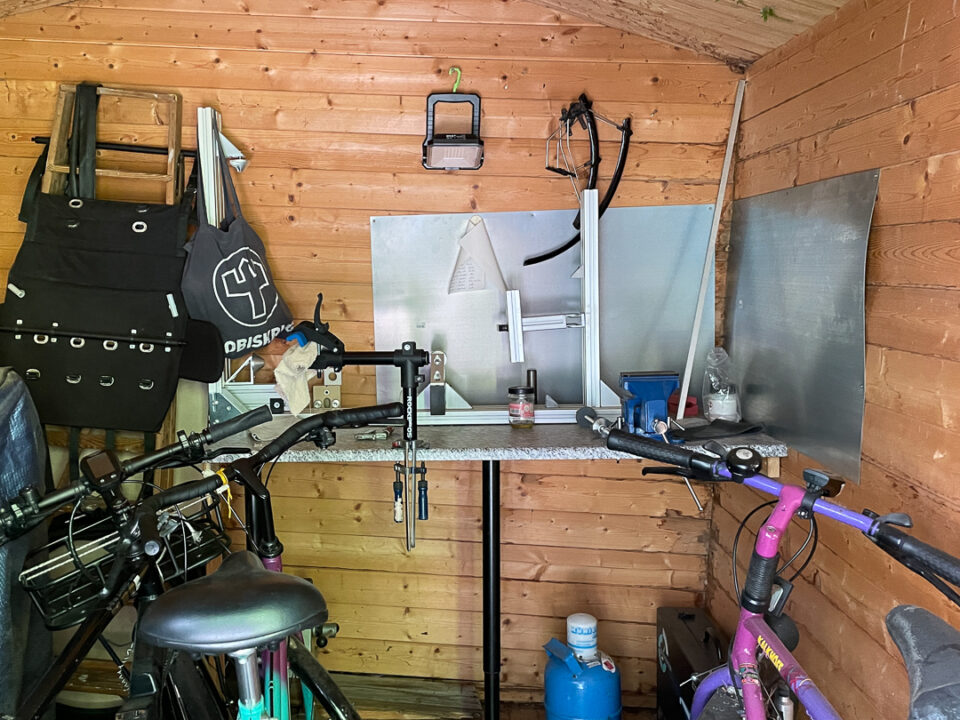
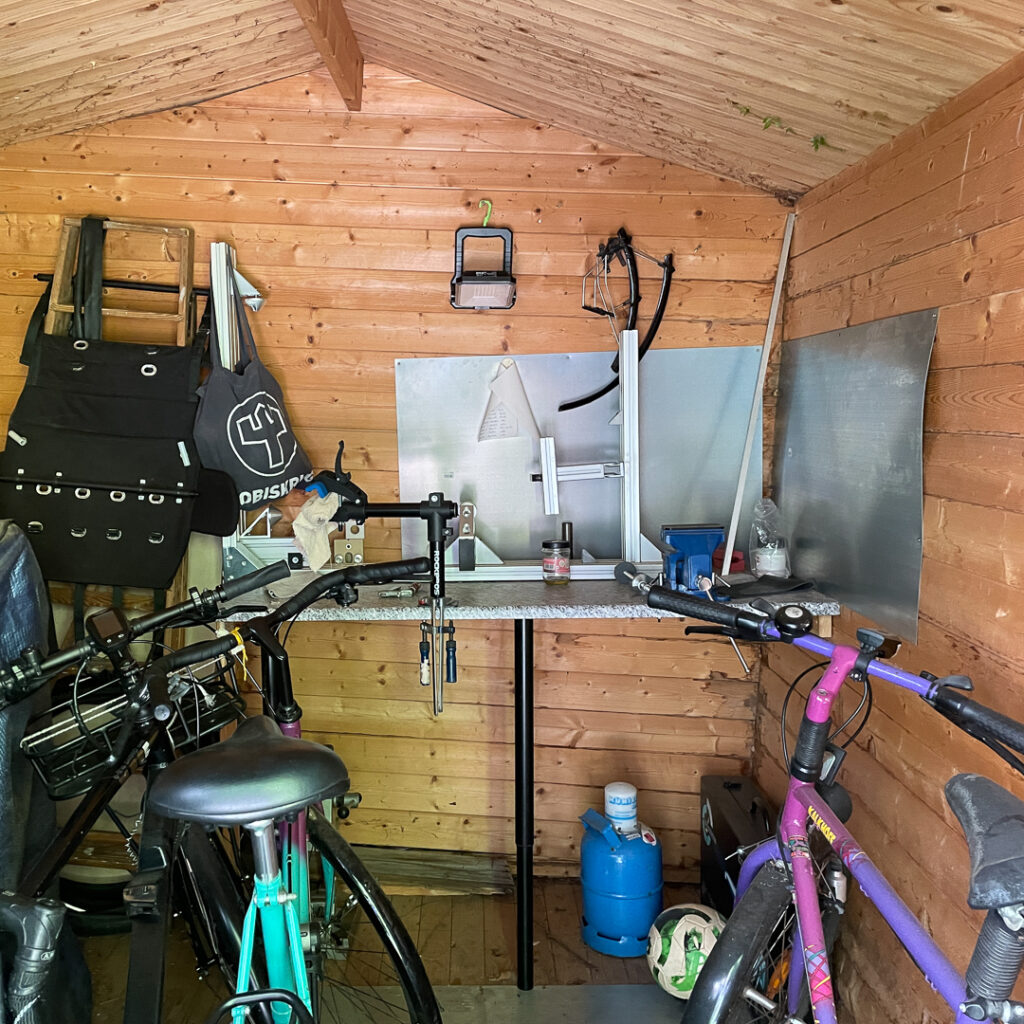
Frank wanted to do the work with the tools in his own shop. He fillet-brazed the steel frame using tubing he sourced through me, a mix of Paragon Machine Works parts and fittings he made himself, and no 3D-printed parts. By then he’d spent several years trying things out on his earlier frames and making fixtures as he needed them. That workshop experience shows up all over the bike.
A rear light that starts at the seat cluster
To run wiring inside the frame to the rear light between the seatstays, Frank brought the stays into the top tube. Getting the junction to look the way he wanted and still leave a workable route for the wire took a few tries. The prototype photo is worth a close look. With the steel still bare and the little red light switched on, you can see how the idea works before the paint goes on.

There’s another example at the front of the bike. Frank wanted an IS52 headset bearing at both ends of the head tube. He made the upper bearing seat out of stainless steel and brazed it into the Columbus head tube. From the outside it looks like a straightforward part of the frame. It’s exactly the sort of detail I like seeing in a workshop-built bike, because the solution makes sense once you know what the builder was trying to do.
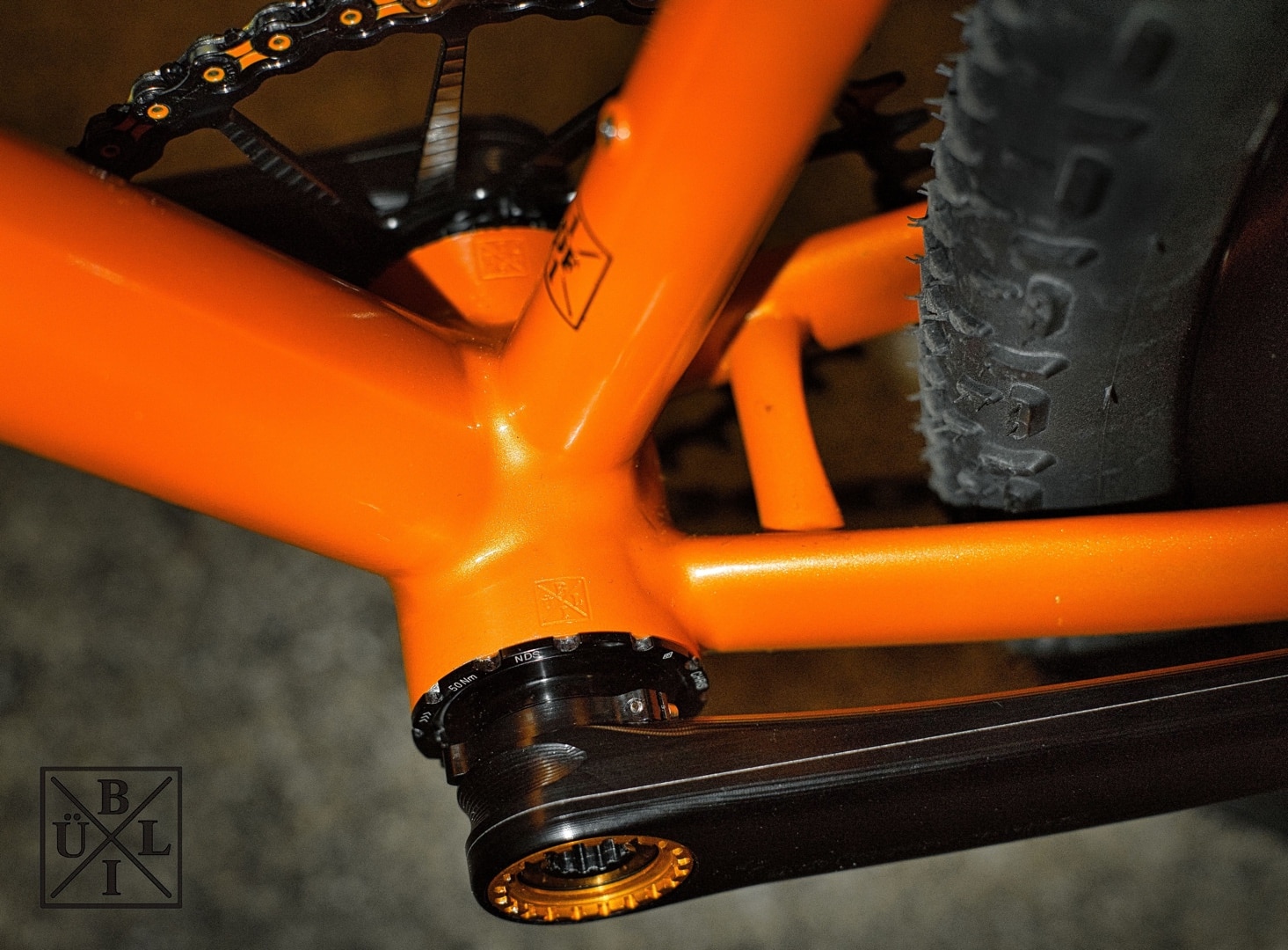
Some of the details are there simply because it’s his bike. Frank engraved his ’70s-inspired Büxli logo into parts including the bottom bracket shell and the frame badge. In the close-ups you can see the engraving cut into the metal.
Built to carry a tent across the Pyrenees
Frank wanted to ride this bike on long trips, so he planned the luggage mounts as part of the build. He added threaded mounting points for a Gramm Tourpacking half-frame bag. For the fork, he made bag supports from 6 mm stainless-steel tubing, built a fixture to bend the tubing, and brazed the pieces together.
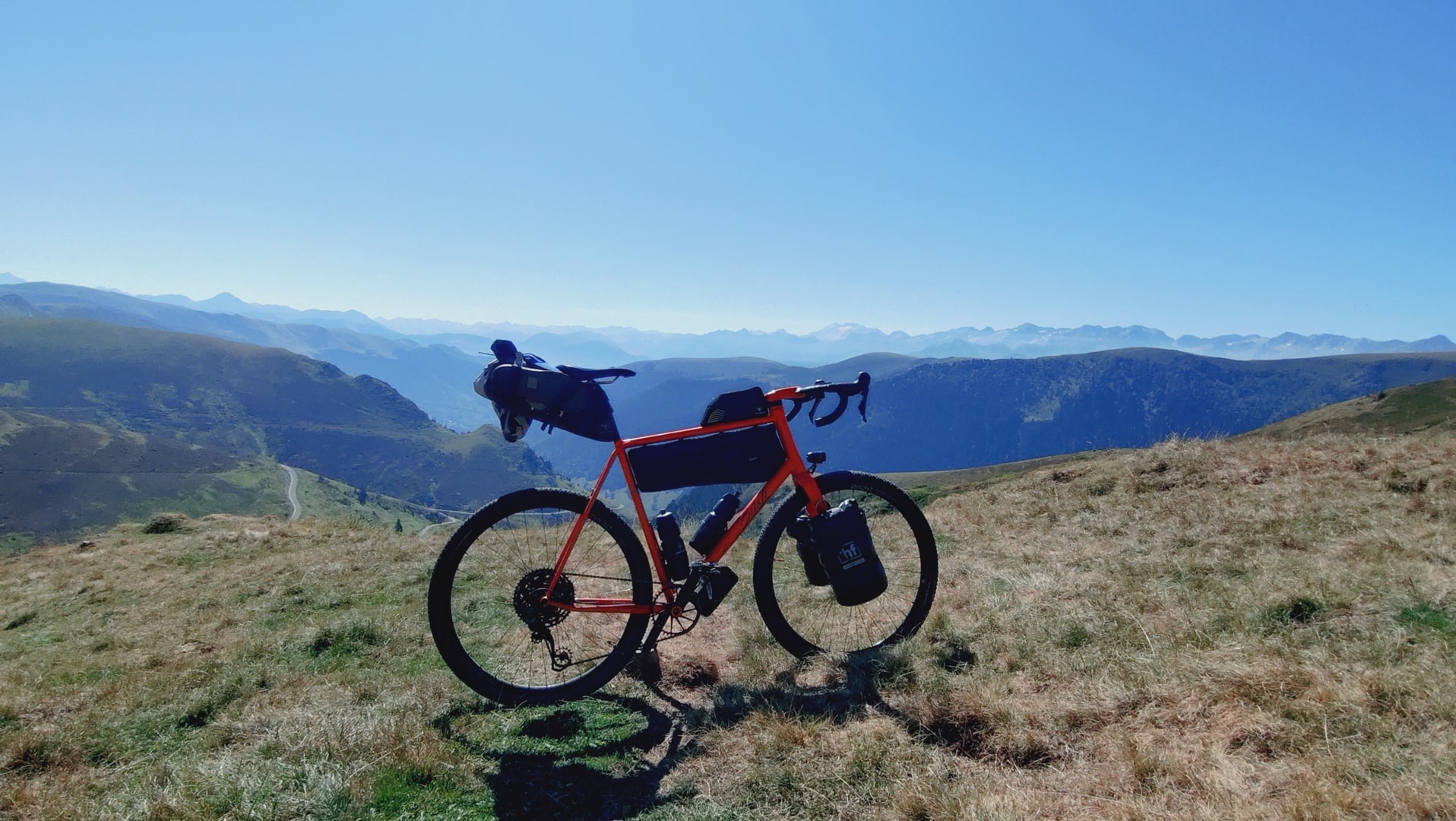
He aimed for a finished weight under 10 kg and came in at 10.4 kg. Then he loaded it up with a tent and the rest of his gear and set out from Perpignan, near the Mediterranean. His route took him through Andorra and Spain and back into France, finishing on the Atlantic coast in Biarritz. All told, it was about 700 km and 16,000 metres of climbing.
Frank told me he was especially pleased with how the bike rode on long days, climbing with luggage and coming back down on gravel. I like the photo of the loaded bike up in the mountains for that reason. You can see the bag mounts doing the job he made them for, a long way from the workshop where he built them.
What happens after the first frame
One of my favourite things about teaching framebuilding is seeing what people do after they leave the workshop. Frank brought years of workshop experience to the course. Building that first gravel frame gave him a place to start applying it to bicycles. Four builds in, he’s making his own fixtures, working out how he wants his bikes to look and ride, and taking them on the trips he built them for.
Frank, thanks for sharing the bike, the photos, and the story behind all those details. I’m looking forward to seeing what comes out of your workshop next.